From the Graph · May 18, 2026
The Readiness Gap: Why AI Pilots Die Between the Demo and the P&L
The pilot worked. The organization couldn't absorb it. What readiness data reveals about where AI value actually gets lost.
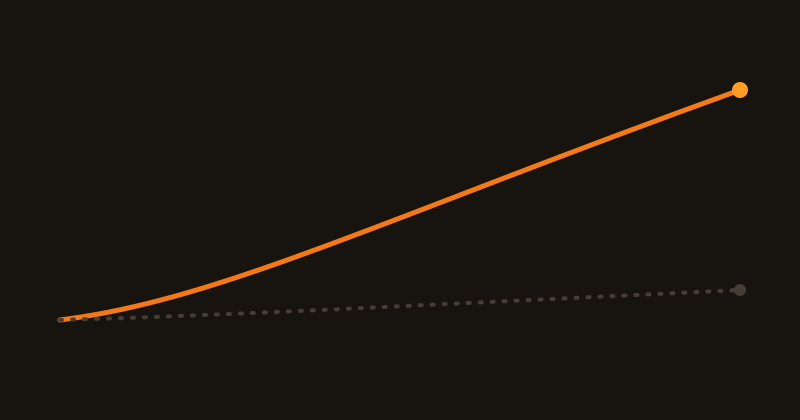
The demo goes well. The pilot goes well. Six months later, Finance can’t find the return, and the board is asking what happened.
Across the deployments we measure, the failure point is almost never the technology. It’s the gap between what the tool can do and what the organization is ready to absorb — and almost nobody measures that gap before the money moves.
What readiness actually means
Readiness isn’t sentiment or training-completion rates. In our scoring, it’s a composite of observable conditions: whether the workflow has an owner, whether the affected roles have capacity to change, whether the data the tool needs actually exists, whether the surrounding systems can carry the new process.
A high-value opportunity with low readiness isn’t an opportunity. A $50M opportunity your organization can’t absorb is a $50M mistake — and the readiness score is how you know which one you’re looking at before you commit capital.
The signal in the movement
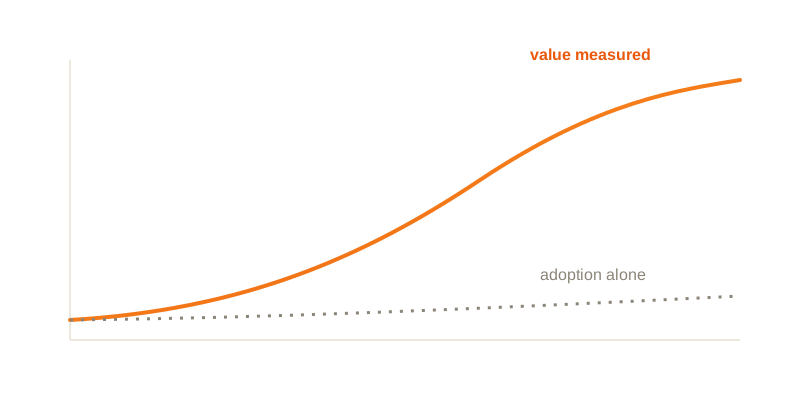
The score matters most in motion. When readiness climbs over 90 days, your preparation is working — before the financial returns show up. When it drops, something broke, and you know before the money burns.
That movement is what a point-in-time assessment can’t give you. A consulting snapshot tells you where you stood the week the interviews happened. A living score tells you whether you’re getting closer to capture or further away.
The uncomfortable implication
Most enterprises fund AI opportunities in order of estimated value. The deployment data argues for a different sort order: value × readiness. The second-biggest opportunity you can actually absorb beats the biggest one you can’t — every time, in every industry we track.